Public Product / Project Detail
Schema-Driven Modular Content Management System
A practical Laravel CMS foundation for small business websites that need reusable sections, structured content, and constrained-hosting deployment.
Template
Project Snapshot
Every project page follows the same template so systems can be compared by classification, stack, scope, workflow, engineering signals, and outcome.
Public Product / CMS and admin platform
System Context
The context section explains what the system is, why it exists, and what was achieved.
Problem Statement
Small professional websites needed dynamic page management, reusable content sections, a simple admin workflow, and deployment compatibility with constrained hosting environments.
- Reusable content sections, structured page configuration, focused admin workflows, backend rendering, and shared-hosting-aware deployment.
- Produced a reusable CMS foundation for modular business websites with practical admin controls and deployment-aware architecture.
Features
Functional Scope
The project scope is framed around real product and operations behavior rather than a surface-level screen list.
Reusable section-based page composition
Admin-managed content without a heavy page-builder model
Structured JSON payloads for flexible page sections
Shared-hosting-aware deployment assumptions
Engineering
Technical Signals
These signals show the implementation concerns that matter when a system moves beyond a prototype.
Engineering Signal
Content model separates page records from reusable sections
Engineering Signal
Validation rules keep JSON flexibility from becoming unbounded
Engineering Signal
Admin workflow stays focused on practical business editing needs
Engineering Signal
Deployment model avoids unnecessary long-running dependencies
Workflow
How The System Moves
The strongest project pages explain what happens to state as users, admins, workers, and services interact.
- Admin creates or edits structured page sections.
- The CMS stores section configuration as page content.
- Frontend templates render reusable blocks from the saved model.
- Small business sites can evolve without rewriting page-specific code.
Ownership
Role And Engineering Ownership
This section clarifies the engineering responsibility behind the system: architecture, implementation boundaries, delivery decisions, and maintainability.
Designed the section-driven content model, Laravel rendering approach, and deployment assumptions for constrained hosting environments.
Kept the admin workflow intentionally narrow so non-technical operators can update structured content without a heavy page-builder system.
Evidence
Confirmed Evidence Signals
These signals describe concrete implementation evidence without exposing private source code, credentials, or employer-owned details.
Public production website using the modular CMS foundation
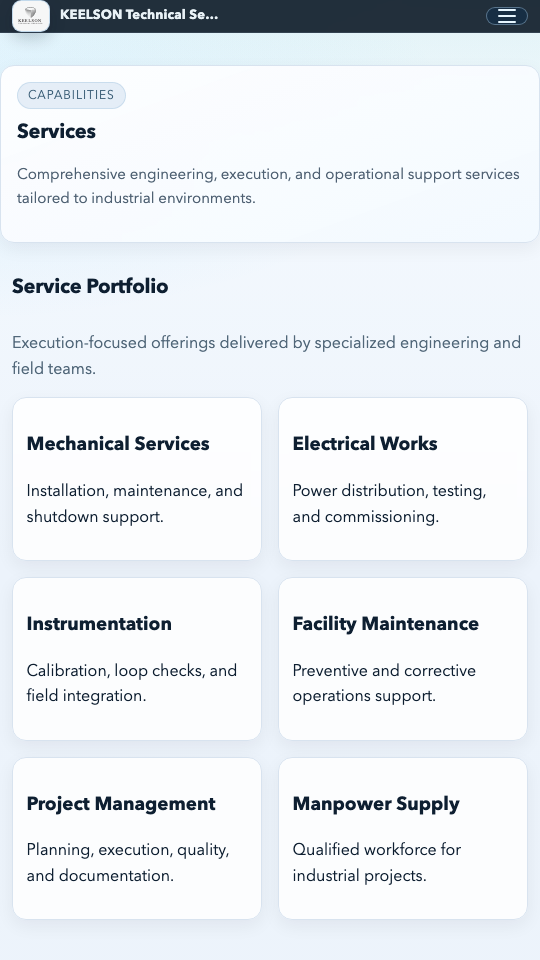
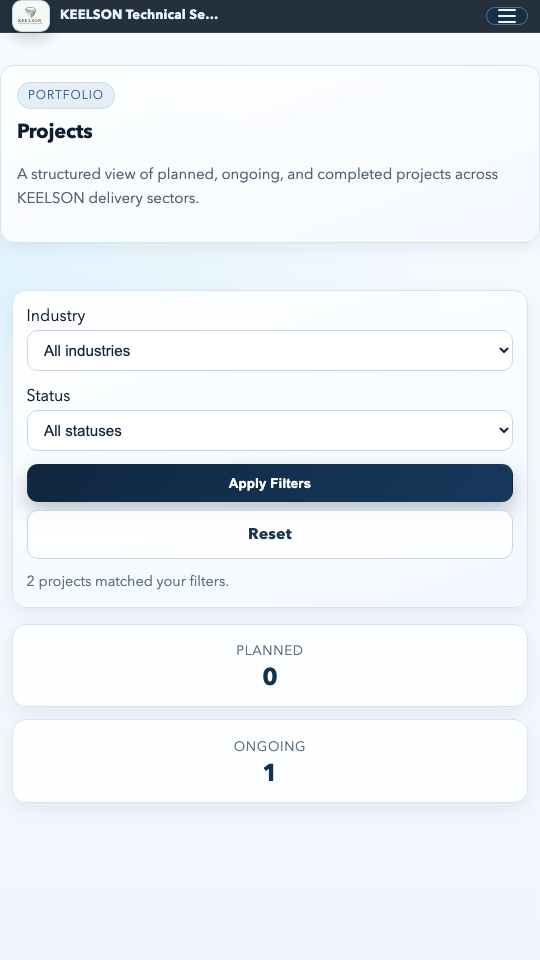
Screenshots available for home, services, and project listing workflows across desktop and mobile
Laravel-based content architecture documented around reusable sections and constrained hosting
Constraints
Delivery Constraints
Constraints make the project easier to evaluate because they show the real boundaries that shaped architecture and trade-offs.
- The target hosting model favored server-rendered PHP/Laravel behavior over infrastructure-heavy CMS features.
- The admin surface needed to stay understandable for business content updates.
Reflection
Engineering Lessons
Lessons capture the trade-offs and system-design judgment that matter beyond the implementation itself.
- A small-business CMS benefits more from constrained reusable sections than from an unrestricted builder that creates maintenance debt.
- Deployment constraints are architectural requirements when the target environment is shared hosting or low-cost infrastructure.
Screenshots
Project Interface
Portfolio-safe interface screenshots show the visible product workflows without exposing private client data, credentials, or source code.
Desktop
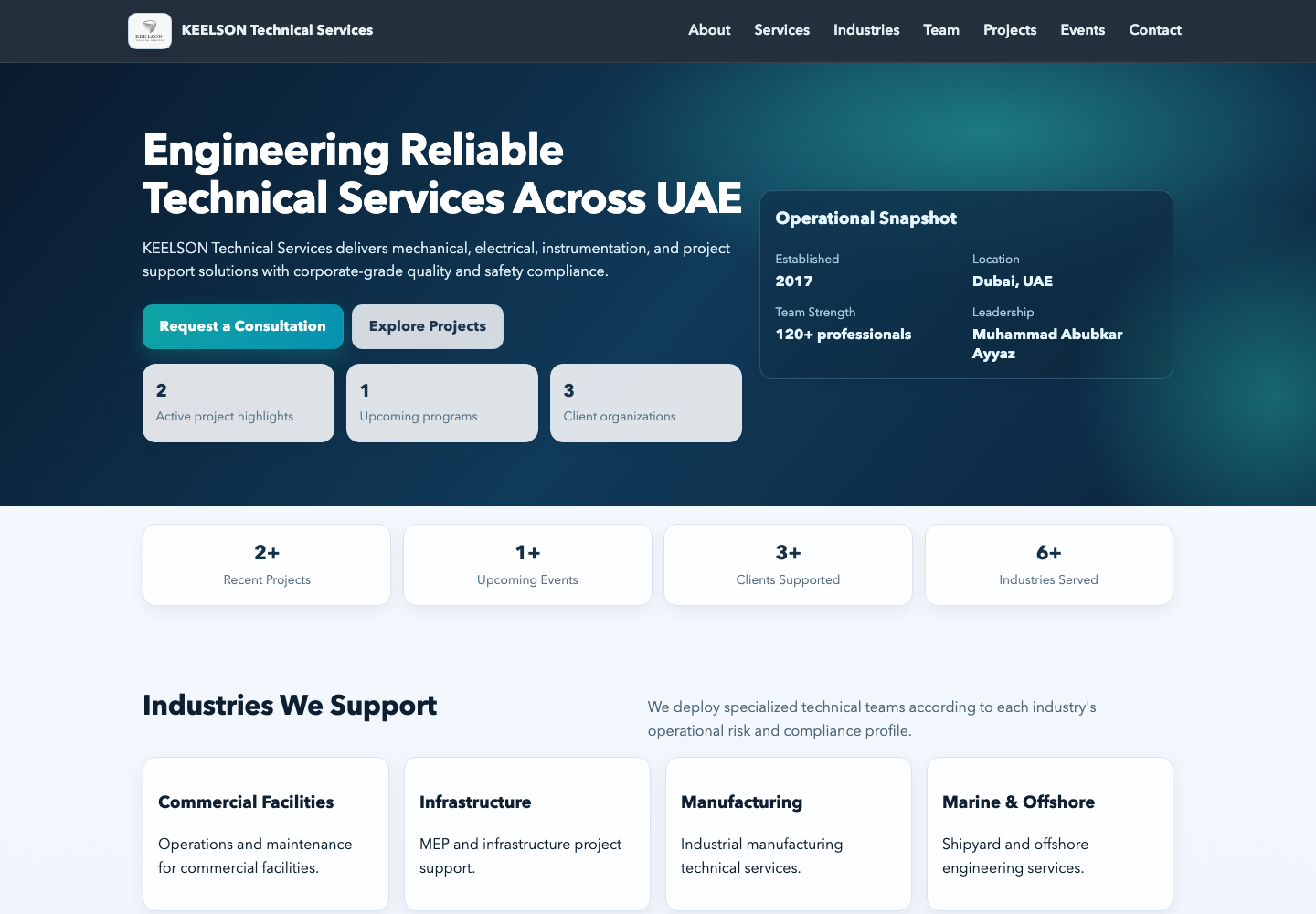
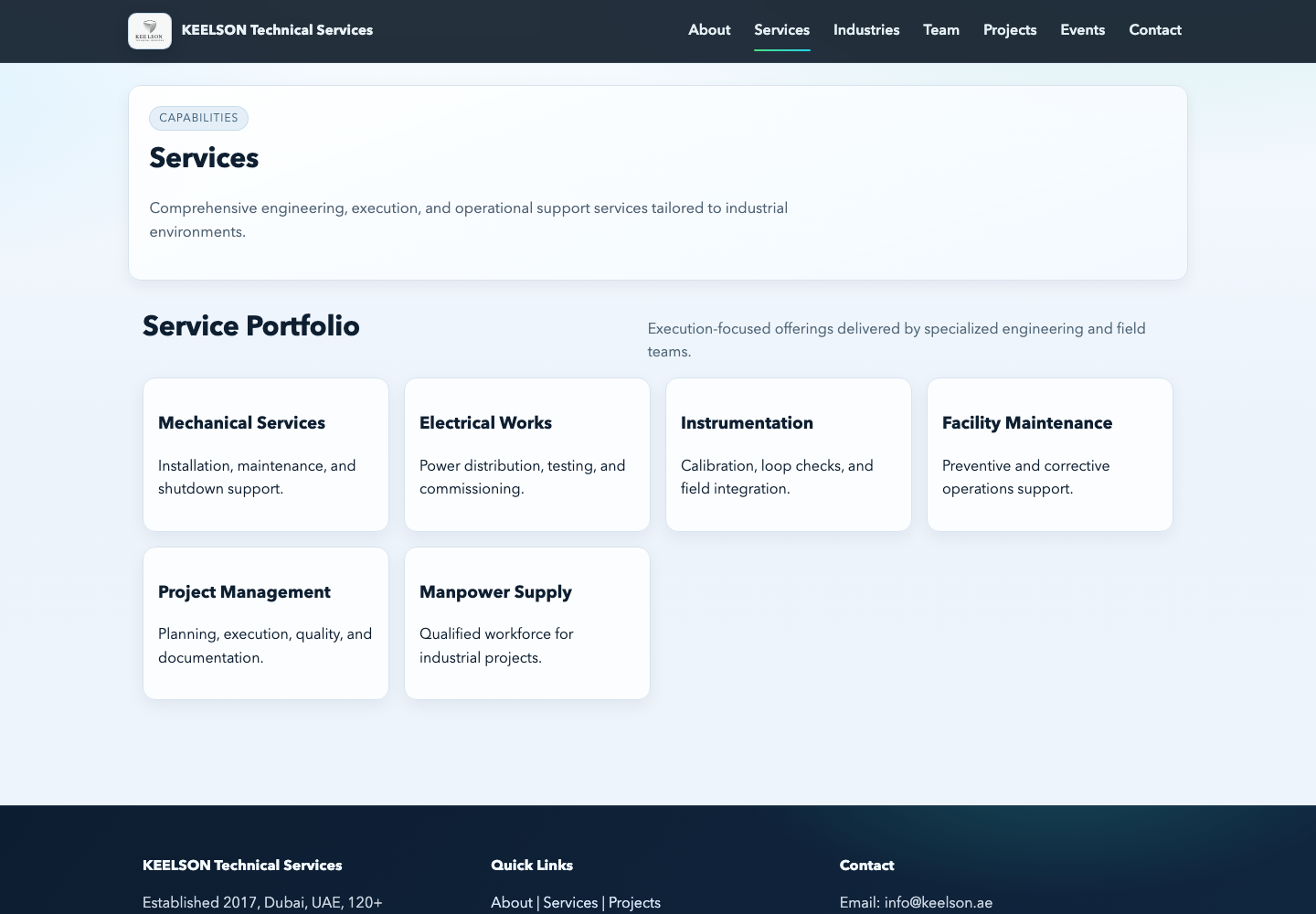
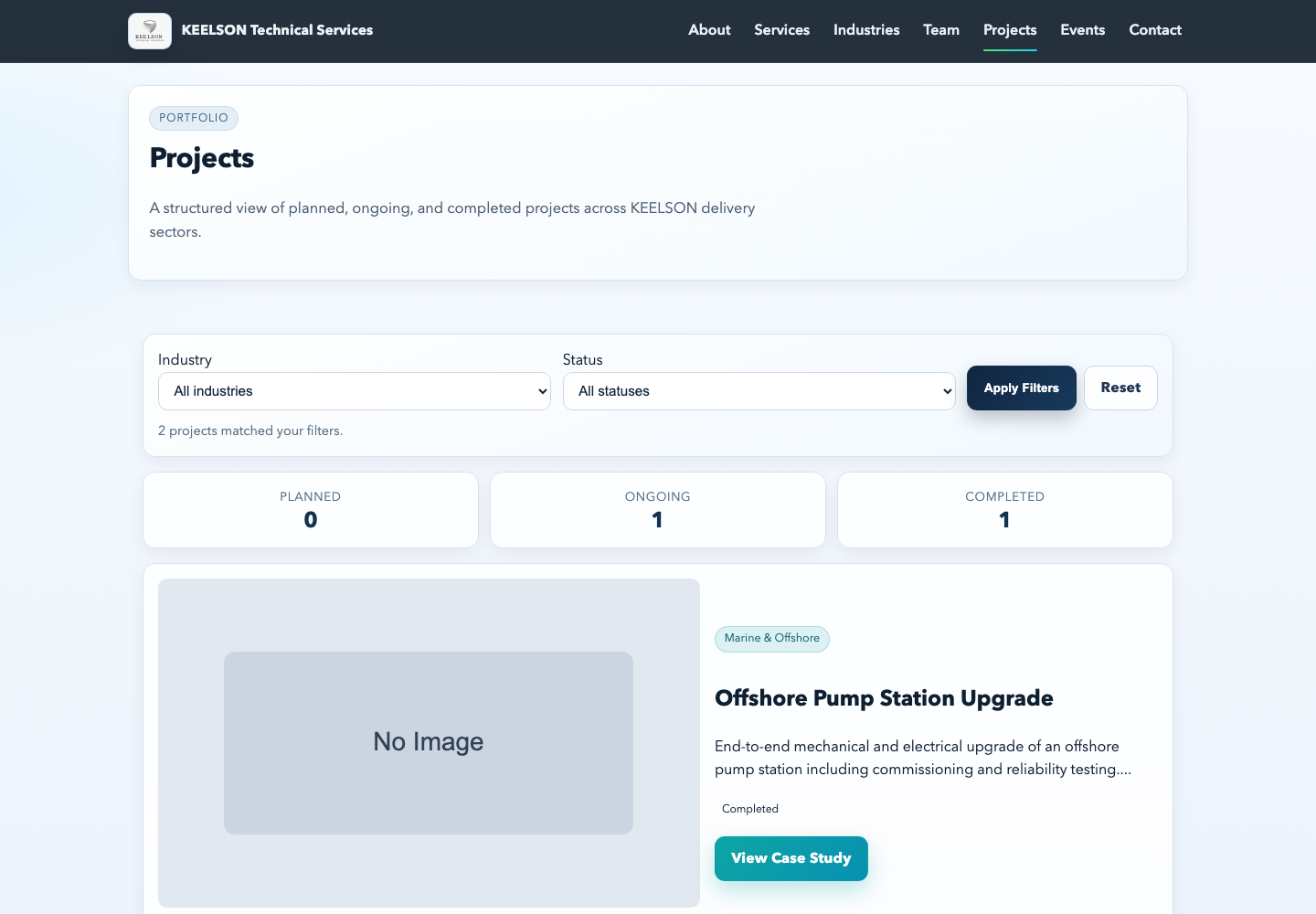
Mobile
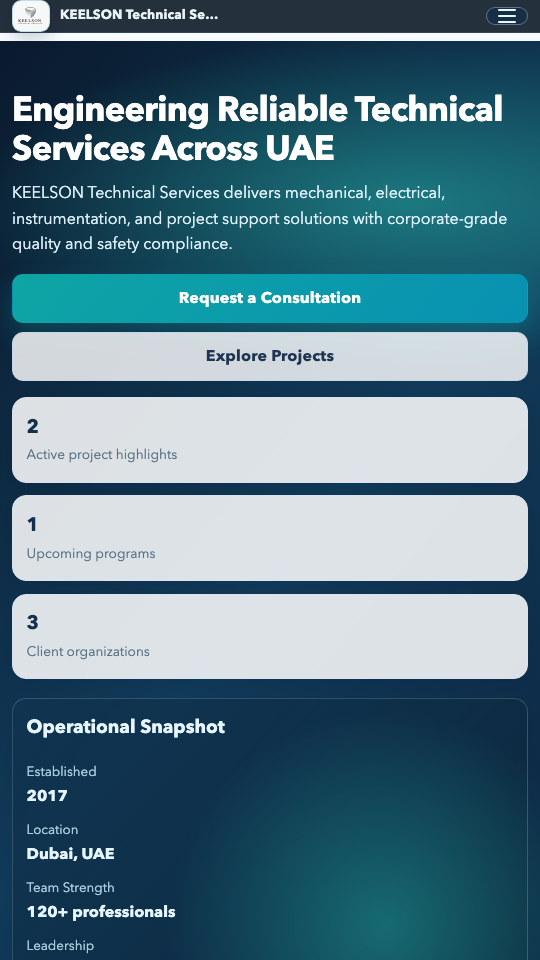
Case Study
Architecture Breakdown
The architecture breakdown uses the same structure across projects: scope, problem, architecture, data flow, engineering decisions, scaling strategy, and outcome.
Public Product
View ProjectSchema-Driven Modular Content Management System
Engineering Scope
Reusable content sections, structured page configuration, focused admin workflows, backend rendering, and shared-hosting-aware deployment.
Problem Statement
Small professional websites needed dynamic page management, reusable content sections, a simple admin workflow, and deployment compatibility with constrained hosting environments.
Architecture Overview
Laravel application with JSON-based page sections, PHP backend rendering, admin-managed content, and shared-hosting-aware deployment assumptions.
Data Flow Explanation
Admin users manage structured page sections, the CMS stores those sections as page configuration, and the frontend renders reusable blocks from the saved content model.
Engineering Decisions
Laravel provided routing, persistence, and admin workflow primitives quickly. JSON section configuration kept the CMS flexible without overbuilding a large page-builder system.
Scale & Reliability Considerations
Reusable section definitions reduce page-specific code, while the constrained deployment model keeps the system practical for low-cost hosting and small business sites.
Outcome
Produced a reusable CMS foundation for modular business websites with practical admin controls and deployment-aware architecture.